-
Medicine
-
Cardiac surgery
-
Human anatomy
-
Foot
-
Hospital
-
Tooth brushing
-
Rhytidectomy (Facelift)
-
Cryosurgery
-
Human skin
-
Health
-
International Classification of Diseases
-
Medical ultrasonography
-
Obstetrics
-
Doctor of Medicine
-
Scalpel
-
World Health Organization
-
Jet lag
-
Hypnosis
-
Nursing
-
Palliative care
-
British Medical Association
-
Trauma center
-
Emergency department
-
Hip replacement
-
Artificial skin
-
Sildenafil
-
Diabetes mellitus
-
Prognosis
-
Medicare (United States)
-
Heart
-
Phytotherapy
-
Acupuncture
-
Preventive medicine
-
Delirium tremens
-
Drug design
-
Bipolar disorder
-
Liver
-
Foodborne illness
-
Medical drama
-
Prosthesis
-
Eating disorder
-
Noble Prize in Physiology or Medicine
-
Mount Sinai Hospital
-
Epidemiology
-
Radiology
-
List of medical schools in the United Kingdom
-
Optometry
-
Tinnitus
-
Paramedic
-
Vital signs
|
Bipolar disorder
Text is available under the
Creative Commons Attribution-ShareAlike License; additional
terms may apply. See
Terms of
Use for details.
Wikipedia® is a registered trademark of the
Wikimedia Foundation,
Inc., a non-profit organization.
Traduzione
interattiva on/off
- Togli il segno di spunta per disattivarla

Bipolar disorder (also known as bipolar affective disorder,
manic-depressive disorder, or manic depression) is a
psychiatric diagnosis for a
mood disorder. Individuals with bipolar disorder experience episodes
of a frenzied state known as
mania,
typically alternating with
episodes of depression.
At the lower levels of mania, known as hypomania, individuals appear
energetic and excitable and may in fact be highly productive. At a
higher level, individuals begin to behave erratically and impulsively,
often making poor decisions due to unrealistic ideas about the future,
and may have great difficulty with sleep. At the highest level,
individuals can experience very distorted beliefs about the world known
as
psychosis. Individuals who experience manic episodes also commonly
experience depressive episodes; some experience a
mixed state in which features of both mania and depression are
present at the same time. Manic and depressive episodes typically last
from a few days to several months and can be interspersed by periods of
"normal" mood.
Current research suggests that about 4% of people experience some of
the characteristic symptoms at some point in their life. Prevalence is
similar in men and women and, broadly, across different cultures and
ethnic groups.
Genetic
factors contribute substantially to the likelihood of developing
bipolar disorder, and environmental factors are also implicated. Bipolar
disorder is often treated with
mood stabilizing medications and
psychotherapy. In serious cases, in which there is a risk of harm to
oneself or others,
involuntary commitment may be used. These cases generally involve
severe manic episodes with dangerous behavior or depressive episodes
with
suicidal ideation. There are widespread problems with
social stigma,
stereotypes, and
prejudice against individuals with a diagnosis of bipolar disorder.
People with bipolar disorder exhibiting psychotic symptoms can sometimes
be misdiagnosed as having
schizophrenia.
The current term bipolar disorder is of fairly recent origin
and refers to the cycling between high and low episodes (poles). The
term "manic–depressive illness" or psychosis was coined by German
psychiatrist
Emil Kraepelin in the late nineteenth century, originally referring
to all kinds of mood disorder. German psychiatrist
Karl Leonhard split the classification in 1957, employing the terms
unipolar disorder (major
depressive disorder) and bipolar disorder.
Signs and symptoms
In bipolar disorder, people experience abnormally elevated (manic or
hypomanic) mood states which interfere with the functions of ordinary
life. Many people with bipolar disorder also experience periods of
depressed mood, but this is not universal. There is no simple
physiological test to confirm the disorder. Diagnosing bipolar disorder
is often difficult, even for mental health professionals. In particular,
it can be difficult to distinguish depression caused by bipolar disorder
from pure unipolar depression.
The younger the age of onset, the more likely the first few episodes
are to be depressive.[1]
Because a bipolar diagnosis requires a manic or hypomanic episode, many
patients are initially diagnosed and treated as having major depression.[2]
Manic episodes
Mania
is the defining feature of bipolar disorder. Mania is a distinct period
of elevated or irritable mood, which can take the form of euphoria, and
lasts for at least a week (less if hospitalization is required).[3]
People with mania commonly experience an increase in energy and a
decreased need for sleep, with many often getting as little as three or
four hours of sleep per night. Some can go days without sleeping.
A manic person may exhibit
pressured speech, with
thoughts experienced as racing.[5]
Attention span is low, and a person in a manic state may be easily
distracted. Judgment may be impaired, and sufferers may go on spending
sprees or engage in risky behavior that is not normal for them. They may
indulge in substance abuse, particularly alcohol or other depressants,
cocaine or other stimulants, or sleeping pills. Their behavior may
become aggressive, intolerant, or intrusive. They may feel out of
control or unstoppable, or as if they have been "chosen" and are "on a
special mission", or have other grandiose or delusional ideas. Sexual
drive may increase. At more extreme levels, a person in a manic state
can experience
psychosis, or a break with reality, where thinking is affected along
with mood.[6]
This can occasionally lead to violent behaviors.[7]
Some people in a manic state experience severe
anxiety
and are irritable (to the point of rage), while others are
euphoric and grandiose. The severity of manic symptoms can be
measured by rating scales such as the
Altman Self-Rating Mania Scale[8]
and clinician-based
Young Mania Rating Scale.[9][10]
The onset of a manic episode is often foreshadowed by sleep
disturbances. Mood changes,
psychomotor and appetite changes, and an increase in anxiety can
also occur up to three weeks before a manic episode develops.[11]
Hypomanic episodes
Hypomania is a mild to moderate level of elevated mood,
characterized by optimism, pressure of speech and activity, and
decreased need for sleep. Generally, hypomania does not inhibit
functioning as mania does.[12]
Many people with hypomania are actually more productive than usual,
while manic individuals have difficulty completing tasks due to a
shortened attention span. Some hypomanic people show increased
creativity, although others demonstrate poor judgment and irritability.
Many experience
hypersexuality. Hypomanic people generally have increased energy and
increased activity levels. They do not, however, have
delusions or hallucinations.
Hypomania may feel good to the person who experiences it. Thus, even
when family and friends recognize mood swings, the individual often will
deny that anything is wrong.[13]
What might be called a "hypomanic event", if not accompanied by
depressive episodes, is often not deemed as problematic, unless the mood
changes are uncontrollable, volatile or mercurial. If left untreated, an
episode of hypomania can last anywhere from a few days to several years.
Most commonly, symptoms continue for a few weeks to a few months.[14]
Depressive
episodes
Signs and symptoms of the
depressive phase of bipolar disorder include persistent feelings of
sadness,
anxiety,
guilt,
anger,
isolation, or
hopelessness; disturbances in sleep and appetite; fatigue and loss
of interest in usually enjoyable activities; problems concentrating;
loneliness, self-loathing, apathy or indifference;
depersonalization; loss of interest in sexual activity; shyness or
social anxiety; irritability, chronic pain (with or without a known
cause); lack of motivation; and morbid suicidal thoughts. In severe
cases, the individual may become
psychotic, a condition also known as severe bipolar depression with
psychotic features. These symptoms include
delusions or, less commonly,
hallucinations, usually unpleasant. A major depressive episode
persists for at least two weeks, and may continue for over six months if
left untreated.[15]
Mixed
affective episodes
In the context of bipolar disorder, a
mixed state is a condition during which symptoms of mania and
depression occur simultaneously. Typical examples include weeping during
a manic episode or racing thoughts during a depressive episode.
Individuals may also feel very frustrated in this state, for example
thinking grandiose thoughts while at the same time feeling like a
failure. Mixed states are often the most dangerous period of mood
disorders, during which the risks of
substance abuse,
panic disorder, suicide attempts, and other complications increase
greatly.[16]
Associated
features
Associated features are clinical phenomena that often accompany the
disorder but are not part of the diagnostic criteria. In adults with the
condition, bipolar disorder is often accompanied by changes in
cognitive processes and abilities. These include reduced
attentional and
executive capabilities and impaired
memory.
How the individual processes the world also depends on the phase of the
disorder, with differential characteristics between the manic, hypomanic
and depressive states.[11]
Some studies have found a significant association between bipolar
disorder and
creativity.[17]
Some patients may have difficulty in maintaining relationships.
There are several common childhood precursors seen in children who
later receive a diagnosis of bipolar disorder. These include mood
abnormalities, full major depressive episodes, and
ADHD.[19]
Causes
The causes of bipolar disorder likely vary between individuals.
Twin studies have been limited by relatively small sample sizes but
have indicated a substantial genetic contribution, as well as
environmental influence. For bipolar I, the (probandwise)
concordance rates in modern studies have been consistently put at
around 40% in
monozygotic twins (same genes), compared to 0 to 10% in
dizygotic twins.[20]
A combination of bipolar I, II and
cyclothymia produced concordance rates of 42% vs 11%, with a
relatively lower ratio for bipolar II that likely reflects
heterogeneity. The overall
heritability of the bipolar spectrum has been put at 0.71.[21]
There is overlap with
unipolar depression and if this is also counted in the co-twin the
concordance with bipolar disorder rises to 67% in monozigotic twins and
19% in dizigotic.[22]
The relatively low concordance between dizygotic twins brought up
together suggests that shared family environmental effects are limited,
although the ability to detect them has been limited by small sample
sizes.[21]
Genetic
Genetic studies have suggested many
chromosomal regions and
candidate genes appearing to relate to bipolar disorder's
development, but the results are not consistent and often not
replicated.[23]
Although the first
genetic linkage finding for mania was in 1969,[24]
the linkage studies have been inconsistent.[25]
Meta-analyses of linkage studies detected either no significant
genome-wide findings or, using a different methodology, only two
genome-wide significant peaks, on chromosome 6q and on 8q21.[citation
needed] Neither have genome-wide
association studies brought a consistent focus — each has identified
new loci.[25]
Nonparametric linkage analysis using rank based methods did not detect
genome-wide significant linkage findings[26]
whereas joint analysis of all linkage data sets identified two genome
wide significant peaks on chromosome 6q and on 8q21.
[27]
Findings point strongly to heterogeneity, with different genes being
implicated in different families.[28]
A review seeking to identify the more consistent findings suggested
several genes related to
serotonin (SLC6A4 and TPH2),
dopamine (DRD4 and SLC6A3),
glutamate (DAOA and DTNBP1), and cell growth and/or maintenance
pathways (NRG1, DISC1 and
BDNF), although noting a high risk of false positives in the
published literature. It was also suggested that individual genes are
likely to have only a small effect and to be involved in some aspect
related to the disorder (and a broad range of "normal" human behavior)
rather than the disorder per se.[29]
Advanced paternal age has been linked to a somewhat increased chance
of bipolar disorder in offspring, consistent with a hypothesis of
increased new
genetic mutations.[30]
Physiological
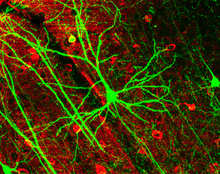
Brain imaging studies have revealed differences in the
volume of various brain regions between BD patients and
healthy control subjects
Abnormalities in the structure and/or function of certain brain
circuits could underlie bipolar. Meta-analyses of structural MRI studies
in bipolar disorder report an increase in the volume of the
lateral ventricles,
globus pallidus and increase in the rates of deep white matter
hyperintensities.[31][32][33]
Functional MRI findings suggest that abnormal modulation between ventral
prefrontal and
limbic regions, especially the
amygdala, likely contribute to poor emotional regulation and mood
symptoms.[34]
According to the "kindling" hypothesis, when people who are
genetically predisposed toward bipolar disorder experience stressful
events, the stress threshold at which mood changes occur becomes
progressively lower, until the episodes eventually start (and recur)
spontaneously. There is evidence of
hypothalamic-pituitary-adrenal axis (HPA axis) abnormalities in
bipolar disorder due to
stress.[35][36][37][38]
Other brain components which have been proposed to play a role are
the
mitochondria,[39]
and a sodium ATPase pump,
causing cyclical periods of poor neuron firing (depression) and
hypersensitive neuron firing (mania). This may only apply for type one,
but type two apparently results from a large confluence of factors.[citation
needed]
Circadian rhythms and melatonin activity also seem to be altered.[41]
Environmental
Evidence suggests that environmental factors play a significant role
in the development and course of bipolar disorder, and that individual
psychosocial variables may interact with genetic dispositions.[29]
There is fairly consistent evidence from prospective studies that recent
life events and interpersonal relationships contribute to the likelihood
of onsets and recurrences of bipolar mood episodes, as they do for
onsets and recurrences of unipolar depression.[42]
There have been repeated findings that between a third and a half of
adults diagnosed with bipolar disorder report traumatic/abusive
experiences in childhood, which is associated on average with earlier
onset, a worse course, and more co-occurring disorders such as
PTSD.[43]
The total number of reported stressful events in childhood is higher in
those with an adult diagnosis of bipolar spectrum disorder compared to
those without, particularly events stemming from a harsh environment
rather than from the child's own behavior.[44]
Neurological
Less commonly bipolar disorder or a bipolar-like disorder may occur
as a result of or in association with a neurological condition or
injury. Such conditions and injuries may include (but are not limited
to) stroke,
traumatic brain injury,
HIV
infection,
multiple sclerosis,
porphyria and rarely
temporal lobe epilepsy.[45]
Prevention
Prevention of bipolar has focused on stress (such as childhood
adversity or highly conflictual families) which, although not a
diagnostically specific causal agent for bipolar, does place genetically
and biologically vulnerable individuals at risk for a more pernicious
course of illness.[46]
There has been debate regarding the causal relationship between usage of
cannabis and bipolar disorder.[47]
Diagnosis
Diagnosis is based on the self-reported experiences of an individual
as well as abnormalities in behavior reported by family members, friends
or co-workers, followed by secondary signs observed by a
psychiatrist,
nurse,
social worker,
clinical psychologist or other clinician in a clinical assessment.
There are lists of criteria for someone to be so diagnosed. These depend
on both the presence and duration of certain signs and symptoms.
Assessment is usually done on an outpatient basis; admission to an
inpatient facility is considered if there is a risk to oneself or
others. The most widely used criteria for diagnosing bipolar disorder
are from the American Psychiatric Association's
Diagnostic and Statistical Manual of Mental Disorders, the current
version being DSM-IV-TR, and the
World Health Organization's
International Statistical Classification of Diseases and Related Health
Problems, currently the ICD-10. The latter criteria are typically
used in Europe and other regions while the DSM criteria are used in the
USA and other regions, as well as prevailing in research studies. The
DSM-V, to be published in 2013, will likely include further and more
accurate sub-typing.[48]
An initial assessment may include a physical exam by a physician.
Although there are no biological tests which confirm bipolar disorder,
tests may be carried out to exclude medical illnesses such as
hypo- or
hyperthyroidism, metabolic disturbance, a systemic infection or
chronic disease, and
syphilis or
HIV infection. An
EEG may be used to exclude
epilepsy, and a
CT scan of the head to exclude brain lesions. Investigations are not
generally repeated for relapse unless there is a specific medical
indication.
Several
rating scales for the
screening and evaluation of bipolar disorder exist, such as the
Bipolar spectrum diagnostic scale.[49]
The use of evaluation scales can not substitute a full clinical
interview but they serve to systematize the recollection of symptoms.[49]
On the other hand instruments for the screening of bipolar disorder have
low sensitivity[clarification
needed] and limited diagnostic
validity.[49]
Bipolar spectrum
Bipolar spectrum refers to a category of
mood disorders that feature abnormally elevated or depressed mood.
These disorders range from
bipolar I disorder, featuring full-blown
manic
episodes, to
cyclothymia, featuring less prominent
hypomanic episodes, to "subsyndromal" conditions where only some of
the criteria for mania or hypomania are met. These disorders typically
also involve
depressive symptoms or episodes that alternate with the elevated
mood states, or with
mixed episodes that feature symptoms of both.[50]
The concept of the bipolar
spectrum is similar to that of
Emil Kraepelin's original concept of manic depressive illness.[51]
Currently, manic depressive illness is usually referred to as bipolar
disorder or simply bipolar. A simple nomenclature system was introduced
in 1978 to classify more easily individuals' affectedness within the
spectrum.[52]
Points on the spectrum using this nomenclature are denoted using the
following codes:
Thus, mD represents a case with hypomania and major
depression. A further distinction is sometimes made in the ordering of
the letters, to represent the order of the episodes, where the patient's
normal state is
euthymic, interrupted by episodes of mania followed by depression (MD)
or vice versa (DM).
Employing this schema, major depression would be denoted D.
Unipolar mania (M) is, depending on the authority cited, either
very rare,[53]
or nonexistent with such cases actually being Md.
Unipolar hypomania (m) without accompanying depression has
been noted in the medical literature.[54]
There is speculation as to whether this condition may occur with greater
frequency in the general, untreated population; successful social
function of these potentially high-achieving individuals may lead to
being labeled as normal, rather than as individuals with substantial
dysregulation.
Criteria and
subtypes
There is no clear consensus as to how many types of bipolar disorder
exist.[55]
In
DSM-IV-TR and
ICD-10,
bipolar disorder is conceptualized as a spectrum of disorders occurring
on a continuum. The DSM-IV-TR lists three specific subtypes and one for
non-specified:[57]
-
Bipolar I disorder
- One or more
manic episodes. Subcategories specify whether there has been
more than one episode, and the type of the most recent episode.[58]
A depressive or hypomanic episode is not required for diagnosis, but
it frequently occurs.
-
Bipolar II disorder
- No manic episodes, but one or more
hypomanic episodes and one or more
major depressive episode.[59]
Hypomanic episodes do not go to the full extremes of mania (i.e.,
do not usually cause severe social or occupational impairment, and
are without
psychosis), and this can make bipolar II more difficult to
diagnose, since the hypomanic episodes may simply appear as a period
of successful high productivity and is reported less frequently than
a distressing, crippling depression.
-
Cyclothymia
- A history of hypomanic episodes with periods of
depression that do not meet criteria for
major depressive episodes.[60]
There is a low-grade cycling of mood which appears to the observer
as a personality trait, and interferes with functioning.
-
Bipolar disorder NOS (not otherwise specified)
- This is a catchall category, diagnosed when the disorder does
not fall within a specific subtype.[61]
Bipolar NOS can still significantly impair and adversely affect
the quality of life of the patient.
The bipolar I and II categories have specifiers that indicate the
presentation and course of the disorder. For example, the "with full
interepisode recovery" specifier applies if there was full remission
between the two most recent episodes.[62]
Rapid cycling
Most people who meet criteria for bipolar disorder experience a
number of episodes, on average 0.4 to 0.7 per year, lasting three to six
months.[63]
Rapid cycling, however, is a course specifier that may be applied
to any of the above subtypes. It is defined as having four or more
episodes per year and is found in a significant proportion of
individuals with bipolar disorder. The definition of rapid cycling most
frequently cited in the literature (including the DSM) is that of Dunner
and Fieve: at least four major depressive, manic, hypomanic or mixed
episodes are required to have occurred during a 12-month period.[64]
Ultra-rapid (days) and ultra-ultra rapid or
ultradian (within a day) cycling have also been described.[65]
The literature examining the pharmacological treatment of rapid cycling
is sparse and there is no clear consensus with respect to its optimal
pharmacological management.[66]
Differential
diagnosis
There are several other mental disorders which may involve similar
symptoms to bipolar disorder. These include
schizophrenia,
attention deficit hyperactivity disorder (ADHD), and some
personality disorders, including
borderline personality.[67][68][69]
It has been noted that the bipolar disorder diagnosis is officially
characterised in historical terms such that, technically, anyone with a
history of (hypo)mania and depression has bipolar disorder whatever
their current or future functioning and vulnerability. This has been
described as "an ethical and methodological issue", as it means no one
can be considered as being recovered (only "in
remission") from bipolar disorder according to the official
criteria. This is considered especially problematic given that brief
hypomanic episodes are widespread among people generally and not
necessarily associated with dysfunction.[11]
Comorbid
conditions
The diagnosis of bipolar disorder can be complicated by coexisting
(comorbid) psychiatric conditions such as
obsessive-compulsive disorder,
social phobia,
panic disorder and
attention-deficit hyperactivity disorder.
Substance abuse may predate the appearance of bipolar symptoms,
further complicating the diagnosis. A careful longitudinal analysis of
symptoms and episodes, enriched if possible by discussions with friends
and family members, is crucial to establishing a treatment plan where
these comorbidities exist.[70]
Management

Light therapy is one of several approaches to treating
bipolar disorder. No one method is universally successful
and most persons suffering from the illness need several
forms of support.
There are a number of
pharmacological and
psychotherapeutic techniques used to treat bipolar disorder.
Individuals may use
self-help and pursue
recovery.
Hospitalization may be required especially with the manic episodes
present in bipolar I. This can be voluntary or (if mental health
legislation allows and varying state-to-state regulations in the USA)
involuntary (called civil or
involuntary commitment). Long-term inpatient stays are now less
common due to
deinstitutionalization, although these can still occur.[71]
Following (or in lieu of) a hospital admission, support services
available can include drop-in centers, visits from members of a
community mental health team or
Assertive Community Treatment team, supported employment and
patient-led support groups, intensive outpatient programs. These are
sometimes referred to partial-inpatient programs.[72]
Psychosocial
Psychotherapy is aimed at alleviating core symptoms, recognizing
episode triggers, reducing negative expressed emotion in relationships,
recognizing
prodromal symptoms before full-blown recurrence, and, practicing the
factors that lead to maintenance of
remission[73]
Cognitive behavioural therapy,
family-focused therapy, and
psychoeducation have the most evidence for efficacy in regard to
relapse prevention, while
interpersonal and social rhythm therapy and cognitive-behavioural
therapy appear the most effective in regard to residual depressive
symptoms. Most studies have been based only on bipolar I, however, and
treatment during the acute phase can be a particular challenge.[76]
Some clinicians emphasize the need to talk with individuals experiencing
mania, to develop a
therapeutic alliance in support of
recovery.[77]
Medication
Medications used to treat bipolar disorder are known as
mood stabilizers; these work by reversing manic or depressive
episodes and preventing relapses.[78]
The first known and "gold standard" mood stabilizer is
lithium, which is effective in treating acute manic episodes,[79]
and preventing relapses, more so for manic than for depressive episodes.[80]
Treatment with lithium carbonate has been strongly linked to a reduced
risk of suicide, self-harm, and death in people with bipolar disorder.[81]
Initially used as an
anticonvulsant,
sodium valproate has become a commonly prescribed treatment, and is
effective in treating manic episodes.[82]
Three other anticonvulsants are used in the treatment of bipolar
disorder.
Carbamazepine became widely used to treat bipolar disorder in the
late 1980s and early 1990s, but was displaced by sodium valproate in the
1990s. Carbamazepine is effective in treating manic episodes, with some
evidence it has greater benefit in rapid-cycling bipolar disorder, or
those with more psychotic manic symptoms or a more schizoaffective
clinical picture. It is less effective in preventing relapse than
lithium.[83]
Lamotrigine has been shown to have some efficacy in treating bipolar
depression, and this benefit is greatest in more severe depression.[84]
It has also been shown to have some benefit in preventing further
episodes, though there are concerns about the studies done, and is of no
benefit in rapid cycling disorder.[85]
The effectiveness of
topiramate is unknown.[86]
Depending on the severity of the case, anti-convulsants may be used in
combination with lithium-based products or on their own.
Atypical antipsychotics have been found to be effective in managing
mania
associated with bipolar disorder.[88]
Olanzapine is effective in preventing relapses, although the
evidence is not as solid as for lithium.[89]
Antidepressants have not been found to be of any benefit over that
found with mood stabilizers.[88]
Short courses of
benzodiazepines may be used as adjunct to medications until mood
stabilizing become effective.[90]
Omega 3 fatty acids, in addition to normal pharmacological
treatment, may have beneficial effects on depressive symptoms, although
studies have been scarce and of variable quality.[91]
Prognosis
For many individuals with bipolar disorder a good
prognosis results from good treatment, which, in turn, results from
an accurate
diagnosis. Because bipolar disorder can have a high rate of both
under-diagnosis and
misdiagnosis,[1]
it is often difficult for individuals with the condition to receive
timely and competent treatment.
Bipolar disorder can be a severely disabling medical condition.
However, many individuals with bipolar disorder can live full and
satisfying lives. Quite often, medication is needed to enable this.
Persons with bipolar disorder may have periods of normal or near normal
functioning between episodes.
Functioning
A recent 20-year prospective study on bipolar I and II found that
functioning varied over time along a spectrum from good to fair to poor.
During periods of
major depression or mania (in BPI), functioning was on average poor,
with depression being more persistently associated with disability than
mania. Functioning between episodes was on average good — more or less
normal. Subthreshold symptoms were generally still substantially
impairing, however, except for hypomania (below or above threshold)
which was associated with improved functioning.[93]
Another study confirmed the seriousness of the disorder as "the
standardized all-cause mortality ratio among patients with bipolar
disorder is increased approximately two-fold." Bipolar disorder is
currently regarded "as possibly the most costly category of mental
disorders in the United States." Episodes of abnormality are associated
with distress and disruption, and an elevated risk of
suicide,
especially during depressive episodes.[94]
Recovery and
recurrence
A naturalistic study from first admission for mania or mixed episode
(representing the hospitalized and therefore most severe cases) found
that 50% achieved syndromal recovery (no longer meeting criteria for the
diagnosis) within six weeks and 98% within two years. Within two years,
72% achieved symptomatic recovery (no symptoms at all) and 43% achieved
functional recovery (regaining of prior occupational and residential
status). However, 40% went on to experience a new episode of mania or
depression within 2 years of syndromal recovery, and 19% switched phases
without recovery.[95]
Symptoms preceding a relapse (prodromal),
specially those related to mania, can be reliably identified by people
with bipolar disorder.[96]
There have been intents to teach patients
coping strategies when noticing such symptoms with encouraging
results.[97]
Mortality
Bipolar disorder can cause suicidal ideation that leads to
suicidal attempts. One out of three people with bipolar disorder
report past attempts of suicide or complete it,[98]
and the annual average suicide rate is 0.4%, which is 10 to 20 times
that of the general population.
The
standardized mortality ratio from
suicide
in bipolar disorder is between 18 and 25.[100]
Epidemiology

Burden of bipolar disorder around the world:
disability-adjusted life years per 100,000 inhabitants
in 2002.
no data
<180
180–186
186–190
190–195
195–200
200–205
|
205–210
210–215
215–220
220–225
225–230
230–235
|
About 4% of people have one of the types of bipolar disorder at some
point in their life.[101]
Lifetime prevalence of bipolar disorder type I, which includes at least
one manic episode during a lifetime, has generally been estimated at 2%.[102]
However, a reanalysis of data from the National Epidemiological
Catchment Area survey in the United States suggested that 0.8% of the
population experience a
manic episode at least once (the diagnostic threshold for
bipolar I) and a further 0.5% have a
hypomanic episode (the diagnostic threshold for bipolar II or
cyclothymia). Including sub-threshold diagnostic criteria, such as one
or two symptoms over a short time-period, an additional 5.1% of the
population, adding up to a total of 6.4%, were classified as having a
bipolar spectrum disorder.[103]
A more recent analysis of data from a second US
National Comorbidity Survey found that 1% met lifetime prevalence
criteria for bipolar I, 1.1% for bipolar II, and 2.4% for subthreshold
symptoms.[104]
There are conceptual and methodological limitations and variations in
the findings. Prevalence studies of bipolar disorder are typically
carried out by lay interviewers who follow fully structured/fixed
interview schemes; responses to single items from such interviews may
suffer limited validity. In addition, diagnoses (and therefore estimates
of prevalence) vary depending on whether a categorical or
spectrum approach is used. This consideration has led to concerns
about the potential for both underdiagnosis and overdiagnosis.[105]
Rates are similar in men and women and, broadly, across different
cultures and ethnic groups.
A 2000 study by the
World Health Organization found that prevalence and incidence of
bipolar disorder are very similar across the world. Age-standardized
prevalence per 100,000 ranged from 421.0 in South Asia to 481.7 in
Africa and Europe for men and from 450.3 in Africa and Europe to 491.6
in Oceania for women.[107]
However, severity may differ widely across the globe.
Disability-adjusted life year rates, for example, appear to be higher in
developing countries, where medical coverage may be poorer and
medication less available.
Late adolescence and early adulthood are peak years for the onset of
bipolar disorder.[108]
One study also found that in 10% of bipolar cases, the onset of mania
had happened after the patient had turned 50.[110]
History
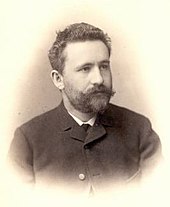
German psychologist Emil Kraeplin first distinguished
between manic–depressive illness and "dementia praecox" (now
known as
schizophrenia) in the late 19th century
Variations in moods and energy levels have been observed as part of
the human experience since time immemorial.[weasel words]
The words "melancholia"
(an old word for
depression) and "mania" originated in
Ancient Greek. The word melancholia is derived from melas/μελας,
meaning "black", and chole/χολη, meaning "bile" or "gall",
indicative of the term's origins in pre-Hippocratic
humoral theories. Within the humoral theories, mania was viewed as
arising from an excess of
yellow bile, or a mixture of black and yellow bile. The
linguistic origins of mania, however, are not so clear-cut. Several
etymologies are proposed by the
Roman physician
Caelius Aurelianus, including the Greek word ania, meaning
"to produce great mental anguish", and manos, meaning "relaxed"
or "loose", which would contextually approximate to an excessive
relaxing of the mind or soul.[112]
There are at least five other candidates, and part of the confusion
surrounding the exact etymology of the word mania is its varied usage in
the pre-Hippocratic
poetry
and
mythologies.[112]
In the early 1800s, French psychiatrist
Jean-Étienne Dominique Esquirol's lypemania, one of his affective
monomanias, was the first elaboration on what was to become modern
depression.[113]
The basis of the current conceptualisation of manic–depressive illness
can be traced back to the 1850s; on January 31, 1854,
Jules Baillarger described to the French Imperial
Academy of Medicine a
biphasic
mental illness causing recurrent oscillations between mania and
depression, which he termed folie à double forme ("dual-form
insanity").[114]
Two weeks later, on February 14, 1854,
Jean-Pierre Falret presented a description to the Academy on what
was essentially the same disorder, and designated folie circulaire
("circular
insanity") by him.[115]
These concepts were developed by the German
psychiatrist
Emil Kraepelin (1856–1926), who, using
Kahlbaum's concept of
cyclothymia,
categorized and studied the natural course of untreated bipolar
patients. He coined the term manic depressive
psychosis, after noting that periods of acute illness, manic or
depressive, were generally punctuated by relatively symptom-free
intervals where the patient was able to function normally.[117]
The term "manic–depressive reaction" appeared in the first
American Psychiatric Association Diagnostic Manual in 1952,
influenced by the legacy of
Adolf Meyer who had introduced the paradigm illness as a reaction of
biogenetic factors to psychological and social influences.
Subclassification of bipolar disorder was first proposed by German
psychiatrist
Karl Leonhard in 1957; he was also the first to introduce the terms
bipolar (for those with mania) and unipolar (for those
with depressive episodes only).
Society and
culture

Singer
Rosemary Clooney's public revelation of bipolar disorder
in 1977 made her an early celebrity spokeswoman for mental
illness
There are widespread problems with
social stigma,
stereotypes, and
prejudice against individuals with a diagnosis of bipolar disorder.[120]
Kay Redfield Jamison, a clinical psychologist and Professor of
Psychiatry at the
Johns Hopkins University School of Medicine, profiled her own
bipolar disorder in her memoir
An Unquiet Mind (1995).
In his autobiography
Manicdotes: There's Madness in His Method (2008)
Chris Joseph describes his struggle between the creative dynamism
which allowed the creation of his multi-million pound advertising agency
Hook Advertising, and the money-squandering dark despair of his
bipolar illness.
Several dramatic works have portrayed characters with traits
suggestive of the diagnosis that has been the subject of discussion by
psychiatrists and film experts alike. A notable example is
Mr. Jones (1993), in which Mr. Jones (Richard
Gere) swings from a manic episode into a depressive phase and back
again, spending time in a psychiatric hospital and displaying many of
the features of the syndrome.
In
The Mosquito Coast (1986), Allie Fox (Harrison
Ford) displays some features including recklessness, grandiosity,
increased goal-directed activity and mood lability, as well as some
paranoia.
Psychiatrists have suggested that
Willy Loman, the main character in
Arthur Miller's classic play
Death of a Salesman, suffers from bipolar disorder,[125]
though that specific term for the condition did not exist when the play
was written.
TV specials, for example the
BBC's
The Secret Life of the Manic Depressive,[126]
MTV's
True
Life: I'm Bipolar, talk shows, and public radio shows, and the
greater willingness of public figures to discuss their own bipolar
disorder, have focused on psychiatric conditions, thereby, raising
public awareness.
On April 7, 2009, the nighttime drama
90210 on the
CW network, aired a
special episode where the character Silver was diagnosed with
bipolar disorder.[127]
Stacey Slater, a character from the BBC soap
EastEnders, has been diagnosed with the disorder. The storyline was
developed as part of the BBC's Headroom campaign.[128]
The
Channel 4 soap
Brookside had earlier featured a story about bipolar disorder
when the character
Jimmy Corkhill was diagnosed with the condition.[129]
Specific
populations
Children
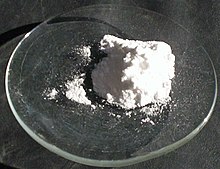
Lithium is the only medication approved for treating
mania in children by the FDA
In the 1920s,
Emil Kraepelin noted that manic episodes are rare before puberty.[130]
In general, bipolar disorder in children was not recognized in the first
half of the twentieth century. This issue diminished with an increased
following of the DSM criteria in the last part of the twentieth century.[130][131]
While in adults the course of bipolar disorder is characterized by
discrete episodes of depression and mania with no clear symptomatology
between them, in children and adolescents very fast mood changes or even
chronic symptoms are the norm.[132]
On the other hand, pediatric bipolar disorder, instead of
euphoric
mania, commonly develops with outbursts of anger, irritability and
psychosis, less common in adults.[130][132]
The diagnosis of childhood bipolar disorder is controversial,[132]
although it is not under discussion that the typical symptoms of bipolar
disorder have negative consequences for minors suffering them.[130]
The debate is mainly centered on whether what is called bipolar disorder
in children refers to the same disorder as when diagnosing adults,[130]
and the related question of whether the criteria for diagnosis for
adults are useful and accurate when applied to children.[132]
Regarding diagnosis of children, some experts recommend following the
DSM criteria.[132]
Others believe that these criteria do not correctly separate children
with bipolar disorder from other problems such as ADHD, and emphasize
fast mood cycles.[132]
Still others argue that what accurately differentiates children with
bipolar disorder is irritability.[132]
The practice parameters of the
AACAP encourage the first strategy.[130][132]
American children and adolescents diagnosed with bipolar disorder in
community hospitals increased 4-fold reaching rates of up to 40% in 10
years around the beginning of the 21st century, while in
outpatient clinics it doubled reaching 6%.[132]
Studies using DSM criteria show that up to 1% of youth may have bipolar
disorder.[130]
Treatment involves medication and psychotherapy.[132]
Drug prescription usually consists in
mood stabilizers and
atypical antipsychotics.[132]
Among the former,
lithium is the only compound approved by the
FDA for children.[130]
Psychological treatment combines normally
education on the disease,
group therapy and
cognitive behavioral therapy.[132]
Chronic medication is often needed.[132]
Current research directions for bipolar disorder in children include
optimizing treatments, increasing the knowledge of the genetic and
neurobiological basis of the pediatric disorder and improving diagnostic
criteria.[132]
The
DSM-V has proposed a new diagnosis which is considered to cover some
presentations currently thought of as childhood-onset bipolar.[133]
Elderly
There is a relative lack of knowledge about bipolar disorder in late
life. There is evidence that it becomes less prevalent with age but
nevertheless accounts for a similar percentage of psychiatric
admissions; that older bipolar patients had first experienced symptoms
at a later age; that later onset of mania is associated with more
neurologic impairment; that substance abuse is considerably less common
in older groups; and that there is probably a greater degree of
variation in presentation and course, for instance individuals may
develop new-onset mania associated with vascular changes, or become
manic only after recurrent depressive episodes, or may have been
diagnosed with bipolar disorder at an early age and still meet criteria.
There is also some weak evidence that mania is less intense and there is
a higher prevalence of mixed episodes, although there may be a reduced
response to treatment. Overall, there are likely more similarities than
differences from younger adults.[134][135]
In the elderly, recognition and treatment of bipolar disorder may be
complicated by the presence of
dementia or the side effects of medications being taken for other
conditions.[136]
See also
References
- ^
a
b
Bowden, C. L. (2001). "Strategies to reduce misdiagnosis of
bipolar depression". Psychiatric services (Washington, D.C.)
52 (1): 51–55.
PMID 11141528. edit
-
^
Muzina, DJ; Kemp, DE; McIntyre,
RS (2007 Oct–Dec). "Differentiating bipolar disorders from major
depressive disorders: treatment implications". Annals of
clinical psychiatry: official journal of the American Academy of
Clinical Psychiatrists 19 (4): 305–12.
doi:10.1080/10401230701653591.
PMID 18058287.
-
^
Mayo Clinic staff.
"Bipolar disorder: Tests and diagnosis". MayoClinic.com.
Retrieved 2010-07-19.
-
^
Read, Kimberly (2010-02-27).
"Warning Signs of Mania". About.com.
Retrieved 2010-12-06.
-
^
"Bipolar Disorder". National Institute of Mental Health
(NIMH). Revised 2012.
Retrieved 6 July 2012.
-
^
Dean, k; Walsh E, Morgan C, et
al. (2007). "Aggressive behaviour at first contact with
services: findings from the AESOP First Episode Psychosis
Study". Psychological Medicine 37 (4): 547–57.
doi:10.1017/S003329170600892.
PMID 17018170.
-
^
Altman, E. G.; Hedeker, D.;
Peterson, J. L.; Davis, J. M. (1997). "The Altman Self-Rating
Mania Scale". Biological Psychiatry 42 (10):
948–955.
doi:10.1016/S0006-3223(96)00548-3.
PMID 9359982. edit
-
^
Young, R. C.; Biggs, J. T.;
Ziegler, V. E.; Meyer, D. A. (1978). "A rating scale for mania:
Reliability, validity and sensitivity". The British journal
of psychiatry : the journal of mental science 133:
429–435.
doi:10.1192/bjp.133.5.429.
PMID 728692. edit
-
^
Furukawa, T. A. (2010).
"Assessment of mood: Guides for clinicians". Journal of
Psychosomatic Research 68 (6): 581–589.
doi:10.1016/j.jpsychores.2009.05.003.
PMID 20488276. edit
-
^
a
b
c
Mansell, W.; Pedley, R. (2008). "The ascent into mania: A review
of psychological processes associated with the development of
manic symptoms". Clinical Psychology Review 28
(3): 494–520.
doi:10.1016/j.cpr.2007.07.010.
PMID 17825463. edit
-
^
"Hypomania and Mania Symptoms in Bipolar Disorder".
WebMD.com. January 10, 2010.
-
^
"Bipolar Disorder: NIH Publication No. 95-3679". U.S.
National Institutes of Health. September 1995. Archived from
the original on 2008-04-29.
-
^
"Bipolar II Disorder Symptoms and Signs". Web M.D.
Retrieved 2010-12-06.
-
^
"Practice Guideline for the
Treatment of Patients With Bipolar Disorder Second Edition".
APA Practice Guidelines for the Treatment of Psychiatric
Disorders: Comprehensive Guidelines and Guideline Watches
1. 2006.
doi:10.1176/appi.books.9780890423363.50051.
ISBN 978-0-89042-336-3.
-
^
Goldman E (1999). "Severe
Anxiety, Agitation are Warning Signals of Suicide in Bipolar
Patients". Clin Psychiatr News: 25.
-
^
Srivastava, S.; Ketter, T. A.
(2010). "The Link Between Bipolar Disorders and Creativity:
Evidence from Personality and Temperament Studies". Current
Psychiatry Reports 12 (6): 522–530.
doi:10.1007/s11920-010-0159-x.
PMID 20936438. edit
-
^
Andreoli, T. E. (1989).
"Molecular aspects of endocrinology". Hospital practice
(Office ed.) 24 (8): 11–12.
PMID 2504732. edit
-
^
Kieseppa, T.; Partonen, T.;
Haukka, J.; Kaprio, J.; Lönnqvist, J. (2004). "High Concordance
of Bipolar I Disorder in a Nationwide Sample of Twins".
American Journal of Psychiatry 161 (10): 1814–1821.
doi:10.1176/appi.ajp.161.10.1814.
PMID 15465978. edit
-
^
a
b
Edvardsen, J.; Torgersen, S.; Røysamb, E.; Lygren, S.; Skre, I.;
Onstad, S.; Øien, P. A. (2008). "Heritability of bipolar
spectrum disorders. Unity or heterogeneity?". Journal of
Affective Disorders 106 (3): 229–240.
doi:10.1016/j.jad.2007.07.001.
PMID 17692389. edit
-
^
McGuffin, P.; Rijsdijk, F.;
Andrew, M.; Sham, P.; Katz, R.; Cardno, A. (2003). "The
Heritability of Bipolar Affective Disorder and the Genetic
Relationship to Unipolar Depression". Archives of General
Psychiatry 60 (5): 497–502.
doi:10.1001/archpsyc.60.5.497.
PMID 12742871. edit
-
^
Kato, T. (2007). "Molecular
genetics of bipolar disorder and depression". Psychiatry and
Clinical Neurosciences 61 (1): 3–19.
doi:10.1111/j.1440-1819.2007.01604.x.
PMID 17239033. edit
-
^
Reich, T.; Clayton, P. J.;
Winokur, G. (1969). "Family history studies: V. The genetics of
mania". The American Journal of Psychiatry 125
(10): 1358–1369.
PMID 5304735. edit
-
^
a
b
Burmeister, M.; McInnis, M. G.; Zöllner, S. (2008). "Psychiatric
genetics: Progress amid controversy". Nature Reviews Genetics
9 (7): 527–540.
doi:10.1038/nrg2381.
PMID 18560438. edit
-
^
Segurado, R; Detera-Wadleigh, SD; Levinson, DF; Lewis, CM;
Gill, M; Nurnberger, JI; Craddock, N; Depaulo, JR et al. (2003).
"Genome scan meta-analysis of Schizophrenia and Bipolar
Disorder". Am. J. Hum. Genet. 73 (1): 49–62.
doi:10.1086/376547.
PMC 1180589.
PMID 12802785.
-
^
McQueen, MB; Devlin, B; Faraone, SV; Nimgaonkar, VL; Sklar,
P; Smoller, JW; Abou Jamra, R; Albus, M et al. (2005).
"Combigned analysis from eleven linkage studies of bipolar
disorder provides strong evidence of susceptibility loci on
chromosomes 6q and 8q". Am. J. Hum. Genet. 77
(4): 582–595.
doi:10.1086/491603.
PMC 1275607.
PMID 16175504.
-
^
Segurado, R.; Deterawadleigh, S.;
Levinson, D.; Lewis, C.; Gill, M.; Nurnbergerjr, J.; Craddock,
N.; Depaulo, J. et al. (2003).
"Genome Scan Meta-Analysis of Schizophrenia and Bipolar
Disorder, Part III: Bipolar Disorder". The American
Journal of Human Genetics 73 (1): 49–62.
doi:10.1086/376547.
PMC 1180589.
PMID 12802785.
edit
- ^
a
b
Serretti, A.; Mandelli, L. (2008). "The genetics of bipolar
disorder: Genome 'hot regions,' genes, new potential candidates
and future directions". Molecular Psychiatry 13
(8): 742–771.
doi:10.1038/mp.2008.29.
PMID 18332878. edit
-
^
Frans, E. M.; Sandin, S.;
Reichenberg, A.; Lichtenstein, P.; Langstrom, N.; Hultman, C. M.
(2008). "Advancing Paternal Age and Bipolar Disorder".
Archives of General Psychiatry 65 (9): 1034–1040.
doi:10.1001/archpsyc.65.9.1034.
PMID 18762589. edit
-
^
Kempton, M. J.; Geddes, J. R.;
Ettinger, U.; Williams, S. C. R.; Grasby, P. M. (2008).
"Meta-analysis, Database, and Meta-regression of 98 Structural
Imaging Studies in Bipolar Disorder". Archives of General
Psychiatry 65 (9): 1017–1032.
doi:10.1001/archpsyc.65.9.1017.
PMID 18762588. edit
-
^
Arnone, D.; Cavanagh, J.; Gerber,
D.; Lawrie, S. M.; Ebmeier, K. P.; McIntosh, A. M. (2009).
"Magnetic resonance imaging studies in bipolar disorder and
schizophrenia: Meta-analysis". The British Journal of
Psychiatry 195 (3): 194–201.
doi:10.1192/bjp.bp.108.059717.
PMID 19721106. edit
-
^
"Bipolar MRI Database". Bipolar Disorder Neuroimaging
Database (BiND).
-
^
Strakowski, S. M.; Adler, C. M.;
Almeida, J.; Altshuler, L. L.; Blumberg, H. P.; Chang, K. D.;
Delbello, M. P.; Frangou, S. et al. (2012). "The functional
neuroanatomy of bipolar disorder: A consensus model". Bipolar
Disorders 14 (4): 313–325.
doi:10.1111/j.1399-5618.2012.01022.x.
PMID 22631617.
edit
-
^
Post, R. M. (1992). "Transduction
of psychosocial stress into the neurobiology of recurrent
affective disorder". The American journal of psychiatry
149 (8): 999–1010.
PMID 1353322. edit
-
^
Monroe, S. M.; Harkness, K. L.
(2005). "Life Stress, the "Kindling" Hypothesis, and the
Recurrence of Depression: Considerations from a Life Stress
Perspective". Psychological Review 112 (2):
417–445.
doi:10.1037/0033-295X.112.2.417.
PMID 15783292. edit
-
^
Daban, C.; Vieta, E.; MacKin, P.;
Young, A. H. (2005).
"Hypothalamic-pituitary-adrenal Axis and Bipolar Disorder".
Psychiatric Clinics of North America 28 (2):
469–480.
doi:10.1016/j.psc.2005.01.005.
PMID 15826743. edit
-
^
Bender, R. E.; Alloy, L. B.
(2011).
"Life stress and kindling in bipolar disorder: Review of the
evidence and integration with emerging biopsychosocial theories".
Clinical Psychology Review 31 (3): 383–398.
doi:10.1016/j.cpr.2011.01.004.
PMC 3072804.
PMID 21334286. edit
-
^
Stork, C.; Renshaw, P. F. (2005).
"Mitochondrial dysfunction in bipolar disorder: Evidence from
magnetic resonance spectroscopy research". Molecular
Psychiatry 10 (10): 900–919.
doi:10.1038/sj.mp.4001711.
PMID 16027739. edit
-
^
Dallaspezia, S.; Benedetti, F.
(2009). "Melatonin, circadian rhythms, and the clock genes in
bipolar disorder". Current psychiatry reports 11
(6): 488–493.
PMID 19909672. edit
-
^
Alloy, L. B.; Abramson, L. Y.;
Urosevic, S.; Walshaw, P. D.; Nusslock, R.; Neeren, A. M.
(2005). "The psychosocial context of bipolar disorder:
Environmental, cognitive, and developmental risk factors".
Clinical Psychology Review 25 (8): 1043–1075.
doi:10.1016/j.cpr.2005.06.006.
PMID 16140445. edit
-
^
Leverich, G. S.; Post, R. M.
(2006). "Course of bipolar illness after history of childhood
trauma". The Lancet 367 (9516): 1040–1042.
doi:10.1016/S0140-6736(06)68450-X.
PMID 16581389. edit
-
^
Miklowitz, D. J.; Chang, K. D.
(2008).
"Prevention of bipolar disorder in at-risk children: Theoretical
assumptions and empirical foundations". Development and
Psychopathology 20 (3): 881–897.
doi:10.1017/S0954579408000424.
PMC 2504732.
PMID 18606036. edit
-
^ Murray ED, Buttner
N, Price BH. (2012) Depression and Psychosis in Neurological
Practice. In: Neurology in Clinical Practice, 6th Edition.
Bradley WG, Daroff RB, Fenichel GM, Jankovic J (eds.)
Butterworth Heinemann. April 12, 2012. ISBN-10: 1437704344 |
ISBN-13: 978-1437704341
-
^
http://www.ncbi.nlm.nih.gov/pubmed/18606036
-
^
Khan, MA; Akella, S.
"Cannabis-Induced Bipolar Disorder with Psychotic Features: A
Case Report". Psychiatry (Edgmont) 6 (12):
44–48.
PMC 2811144.
-
^
Perugi, G.; Ghaemi, S. N.;
Akiskal, H. (2006). "Diagnostic and Clinical Management
Approaches to Bipolar Depression, Bipolar II and Their
Comorbidities". Bipolar Psychopharmacotherapy. p. 193.
doi:10.1002/0470017953.ch11.
ISBN 9780470017951.
edit
-
^
a
b
c
Picardi, A. (2009). "Rating scales in bipolar disorder".
Current Opinion in Psychiatry 22 (1): 42–49.
doi:10.1097/YCO.0b013e328315a4d2.
PMID 19122534. edit
-
^
Diagnostic and Statistical Manual
of Mental Disorders, 4th Edition (Text Revision). American
Psychiatric Association. p. 2000.
-
^
Across the Bipolar Spectrum: From Practice to Research
-
^
Angst, J; Felder, W; Frey, R;
Stassen, HH (1978). "The course of affective disorders. I.
Change of diagnosis of monopolar, unipolar, and bipolar
illness". Archiv fur Psychiatrie und Nervenkrankheiten
226 (1): 57–64.
doi:10.1007/BF00344124.
PMID 708227.
-
^
Why No "Unipolar Mania" Listing in DSM-IV? | Serendip's Exchange
-
^ Mood episodes and
mood disorders: patterns of incidence and conversion in the
first three decades of life, Katja Beesdo et al.,Bipolar
Disorders Volume 11 Issue 6, Pages 637 -
64http://www3.interscience.wiley.com.ezp-prod1.hul.harvard.edu/journal/122542146/abstract
-
^
Akiskal, H. S.; Benazzi, F.
(2006). "The DSM-IV and ICD-10 categories of recurrent [major]
depressive and bipolar II disorders: Evidence that they lie on a
dimensional spectrum". Journal of Affective Disorders
92 (1): 45–54.
doi:10.1016/j.jad.2005.12.035.
PMID 16488021. edit
-
^
"Bipolar Disorder". BehaveNet.
-
^
"Bipolar I Disorder". BehaveNet.
-
^
"Bipolar II Disorder". BehaveNet.
-
^
"Cyclothymic Disorder". BehaveNet.
-
^
"Not Otherwise Specified". BehaveNet.
-
^
"Longitudinal Course Specifiers for Mood Disorders".
BehaveNet.
-
^
Angst, J.; Sellaro, R. (2000).
"Historical perspectives and natural history of bipolar
disorder". Biological Psychiatry 48 (6): 445–457.
PMID 11018218. edit
-
^
Bauer, M; Beaulieu, S; Dunner,
DL; Lafer, B; Kupka, R (2008 Feb). "Rapid cycling bipolar
disorder – diagnostic concepts". Bipolar Disorders 10
(1 Pt 2): 153–62.
doi:10.1111/j.1399-5618.2007.00560.x.
PMID 18199234.
-
^
Tillman, R.; Geller, B. (2003).
"Definitions of Rapid, Ultrarapid, and Ultradian Cycling and of
Episode Duration in Pediatric and Adult Bipolar Disorders: A
Proposal to Distinguish Episodes from Cycles". Journal of
Child and Adolescent Psychopharmacology 13 (3):
267–271.
doi:10.1089/104454603322572598.
PMID 14642014. edit
-
^
Fountoulakis, KN; Kontis, D;
Gonda, X; Yatham, LN (2013 March). "A systematic review of the
evidence on the treatment of rapid cycling bipolar disorder".
Bipolar Disorders 15 (2): 115–227.
doi:10.1111/bdi.12045.
-
^
Sood, A. B.; Razdan, A.; Weller,
E. B.; Weller, R. A. (2005). "How to differentiate bipolar
disorder from attention deficit hyperactivity disorder and other
common psychiatric disorders: A guide for clinicians".
Current psychiatry reports 7 (2): 98–103.
PMID 15802085. edit
-
^
Magill, C. A. (2004). "The
boundary between borderline personality disorder and bipolar
disorder: Current concepts and challenges". Canadian journal
of psychiatry. Revue canadienne de psychiatrie 49
(8): 551–556.
PMID 15453104. edit
-
^
Bassett, D. (2012). "Borderline
personality disorder and bipolar affective disorder. Spectra or
spectre? A review". Australian and New Zealand Journal of
Psychiatry 46 (4): 327–339.
doi:10.1177/0004867411435289.
PMID 22508593. edit
-
^
Sagman D and Tohen M (2009).
"Comorbidity in Bipolar Disorder: The Complexity of Diagnosis
and Treatment". Psychiatric Times.
-
^
Becker, T.; Kilian, R. (2006).
"Psychiatric services for people with severe mental illness
across western Europe: What can be generalized from current
knowledge about differences in provision, costs and outcomes of
mental health care?". Acta Psychiatrica Scandinavica
113 (429): 9–16.
doi:10.1111/j.1600-0447.2005.00711.x.
PMID 16445476. edit
-
^
McGurk, S. R.; Mueser, K. T.;
Feldman, K.; Wolfe, R.; Pascaris, A. (2007). "Cognitive Training
for Supported Employment: 2-3 Year Outcomes of a Randomized
Controlled Trial". American Journal of Psychiatry 164
(3): 437–441.
doi:10.1176/appi.ajp.164.3.437.
PMID 17329468. edit
-
^ Lam et al., 1999;
Miklowitz & Goldstein, 1997; Frank, 2005.[full
citation needed]
-
^
Zaretsky, A. E.; Rizvi, S.;
Parikh, S. V. (2007). "How well do psychosocial interventions
work in bipolar disorder?". Canadian journal of psychiatry.
Revue canadienne de psychiatrie 52 (1): 14–21.
PMID 17444074. edit
-
^
Havens, L. L.; Ghaemi, S. N.
(2005). "Existential despair and bipolar disorder: The
therapeutic alliance as a mood stabilizer". American journal
of psychotherapy 59 (2): 137–147.
PMID 16170918. edit
-
^
Bauer, M. S.; Mitchner, L.
(2004). "What is a "mood stabilizer"? An evidence-based
response". The American Journal of Psychiatry 161
(1): 3–18.
PMID 14702242. edit
-
^
Poolsup, N.; Li Wan Po, A.; De
Oliveira, I. R. (2000). "Systematic overview of lithium
treatment in acute mania". Journal of clinical pharmacy and
therapeutics 25 (2): 139–156.
PMID 10849192. edit
-
^
Geddes, J. R.; Burgess, S.;
Hawton, K.; Jamison, K.; Goodwin, G. M. (2004). "Long-term
lithium therapy for bipolar disorder: Systematic review and
meta-analysis of randomized controlled trials". The American
Journal of Psychiatry 161 (2): 217–222.
PMID 14754766. edit
-
^
Cipriani, A.; Pretty, H.; Hawton,
K.; Geddes, J. R. (2005). "Lithium in the Prevention of Suicidal
Behavior and All-Cause Mortality in Patients with Mood
Disorders: A Systematic Review of Randomized Trials".
American Journal of Psychiatry 162 (10): 1805–1819.
doi:10.1176/appi.ajp.162.10.1805.
PMID 16199826. edit
-
^
MacRitchie, K.; Geddes, J.;
Scott, J.; Haslam, D. R.; Silva De Lima, M.; Goodwin, G. (2003).
Valproate for acute mood episodes in bipolar disorder. In
Reid, Keith. "Cochrane Database of Systematic Reviews".
Cochrane database of systematic reviews (Online) (1):
CD004052.
doi:10.1002/14651858.CD004052.
PMID 12535506. edit
-
^
Post, R. M.; Ketter, T. A.; Uhde,
T.; Ballenger, J. C. (2007). "Thirty years of clinical
experience with carbamazepine in the treatment of bipolar
illness: Principles and practice". CNS Drugs 21
(1): 47–71.
PMID 17190529. edit
-
^
Geddes, J. R.; Calabrese, J. R.;
Goodwin, G. M. (2008). "Lamotrigine for treatment of bipolar
depression: Independent meta-analysis and meta-regression of
individual patient data from five randomised trials". The
British Journal of Psychiatry 194 (1): 4–9.
doi:10.1192/bjp.bp.107.048504.
PMID 19118318. edit
-
^
Van Der Loos, M. L.; Kölling, P.;
Knoppert-Van Der Klein, E. A.; Nolen, W. A. (2007). "Lamotrigine
in the treatment of bipolar disorder, a review". Tijdschrift
voor psychiatrie 49 (2): 95–103.
PMID 17290338. edit
-
^
Vasudev, K.; MacRitchie, K.;
Geddes, J.; Watson, S.; Young, A. H. (2006). Topiramate for
acute affective episodes in bipolar disorder. In Young,
Allan H. "Cochrane Database of Systematic Reviews". Cochrane
database of systematic reviews (Online) (1): CD003384.
doi:10.1002/14651858.CD003384.pub2.
PMID 16437453. edit
-
^
a
b
El-Mallakh, R.; Elmaadawi, A.; Loganathan, M.; Lohano, K.; Gao,
Y. (2010). "Bipolar Disorder: An Update". Postgraduate
Medicine 122 (4): 24–31.
doi:10.3810/pgm.2010.07.2172.
PMID 20675968. edit
-
^
Cipriani, A.; Rendell, J. M.;
Geddes, J. (2009). Olanzapine in long-term treatment for
bipolar disorder. In Cipriani, Andrea. "Cochrane Database of
Systematic Reviews". Cochrane database of systematic reviews
(Online) (1): CD004367.
doi:10.1002/14651858.CD004367.pub2.
PMID 19160237. edit
-
^
"Benzodiazepines for Bipolar Disorder". WebMD.com.
Retrieved 13 February 2013.
-
^
Montgomery, P.; Richardson, A. J.
(2008). Omega-3 fatty acids for bipolar disorder. In
Montgomery, Paul. "Cochrane Database of Systematic Reviews".
Cochrane database of systematic reviews (Online) (2):
CD005169.
doi:10.1002/14651858.CD005169.pub2.
PMID 18425912. edit
-
^
Judd, L. L.; Akiskal, H. S.;
Schettler, P. J.; Endicott, J.; Leon, A. C.; Solomon, D. A.;
Coryell, W.; Maser, J. D.; Keller, M. B. (2005). "Psychosocial
Disability in the Course of Bipolar I and II Disorders: A
Prospective, Comparative, Longitudinal Study". Archives of
General Psychiatry 62 (12): 1322–1330.
doi:10.1001/archpsyc.62.12.1322.
PMID 16330720. edit
-
^
Osby, U.; Brandt, L.; Correia,
N.; Ekbom, A.; Sparén, P. (2001). "Excess mortality in bipolar
and unipolar disorder in Sweden". Archives of General
Psychiatry 58 (9): 844–850.
PMID 11545667. edit
-
^
Tohen, M.; Zarate Jr, C. A.;
Hennen, J.; Khalsa, H. M.; Strakowski, S. M.; Gebre-Medhin, P.;
Salvatore, P.; Baldessarini, R. J. (2003). "The McLean-Harvard
First-Episode Mania Study: Prediction of recovery and first
recurrence". The American Journal of Psychiatry 160
(12): 2099–2107.
doi:10.1176/appi.ajp.160.12.2099.
PMID 14638578. edit
-
^
Jackson, A.; Cavanagh, J.; Scott,
J. (2003). "A systematic review of manic and depressive
prodromes". Journal of Affective Disorders 74 (3):
209–217.
PMID 12738039. edit
-
^
Lam, D.; Wong, G. (2005).
"Prodromes, coping strategies and psychological interventions in
bipolar disorders". Clinical Psychology Review 25
(8): 1028–1042.
doi:10.1016/j.cpr.2005.06.005.
PMID 16125292. edit
-
^
Novick, D. M.; Swartz, H. A.;
Frank, E. (2010). "Suicide attempts in bipolar I and bipolar II
disorder: A review and meta-analysis of the evidence".
Bipolar Disorders 12 (1): 1–9.
doi:10.1111/j.1399-5618.2009.00786.x.
PMID 20148862. edit
-
^
Roger S. McIntyre, MD, Joanna K.
Soczynska, and Jakub Konarski.
"Bipolar Disorder: Defining Remission and Selecting Treatment".
Psychiatric Times, October 2006, Vol. XXIII, No. 11.
-
^
Ketter, TA (2010 Jun).
"Diagnostic features, prevalence, and impact of bipolar
disorder". The Journal of clinical psychiatry 71
(6): e14.
doi:10.4088/JCP.8125tx11c.
PMID 20573324.
-
^
Soldani, F.; Sullivan, P. F.;
Pedersen, N. L. (2005). "Mania in the Swedish Twin Registry:
Criterion validity and prevalence". Australian and New
Zealand Journal of Psychiatry 39 (4): 235–243.
doi:10.1111/j.1440-1614.2005.01559.x.
PMID 15777359. edit
-
^
Judd, L. L.; Akiskal, H. S.
(2003). "The prevalence and disability of bipolar spectrum
disorders in the US population: Re-analysis of the ECA database
taking into account subthreshold cases". Journal of Affective
Disorders 73 (1–2): 123–131.
PMID 12507745. edit
-
^
Merikangas, K. R.; Akiskal, H.
S.; Angst, J.; Greenberg, P. E.; Hirschfeld, R. M. A.;
Petukhova, M.; Kessler, R. C. (2007).
"Lifetime and 12-Month Prevalence of Bipolar Spectrum Disorder
in the National Comorbidity Survey Replication". Archives
of General Psychiatry 64 (5): 543–552.
doi:10.1001/archpsyc.64.5.543.
PMC 1931566.
PMID 17485606. edit
-
^
Phelps J (2006).
"Bipolar Disorder: Particle or Wave? DSM Categories or Spectrum
Dimensions?". Psychiatric Times.
-
^
Ayuso-Mateos, Jose Luis.
"Global burden of bipolar disorder in the year 2000".
World Health Organization.
Retrieved December 9, 2012.
-
^
Christie, K. A.; Burke Jr, J. D.;
Regier, D. A.; Rae, D. S.; Boyd, J. H.; Locke, B. Z. (1988).
"Epidemiologic evidence for early onset of mental disorders and
higher risk of drug abuse in young adults". The American
Journal of Psychiatry 145 (8): 971–975.
PMID 3394882. edit
-
^
Monczor, M. (2010). "Bipolar
disorder in the elderly". Vertex (Buenos Aires, Argentina)
21 (92): 275–283.
PMID 21188315. edit
-
^
a
b
Angst, J.; Marneros, A. (2001). "Bipolarity from ancient to
modern times: Conception, birth and rebirth". Journal of
affective disorders 67 (1–3): 3–19.
PMID 11869749. edit
-
^ "at the
beginning of the 19th century with Esquirol’s ‘affective
monomanias’ (notably ‘lypemania’, the first elaboration of what
was to become our modern depression)", Which came first, the
condition or the drug?, London Review of Books, Vol. 32 No. 19,
7 October 2010, pages 31–33,
[1]
-
^
Pichot, P. (2004). "Circular
insanity, 150 years on". Bulletin de l'Academie nationale de
medecine 188 (2): 275–284.
PMID 15506718. edit
(French).
-
^
Sedler, M. J. (1983). "Falret's
discovery: The origin of the concept of bipolar affective
illness. Translated by M. J. Sedler and Eric C. Dessain". The
American journal of psychiatry 140 (9): 1127–1133.
PMID 6351641. edit
-
^
Kraepelin, Emil (1921) Manic–depressive Insanity and
Paranoia
ISBN 0-405-07441-7
-
^
Elgie, R; Morselli, PL (2007
Feb–Mar). "Social functioning in bipolar patients: the
perception and perspective of patients, relatives and advocacy
organizations – a review". Bipolar disorders 9
(1–2): 144–57.
doi:10.1111/j.1399-5618.2007.00339.x.
PMID 17391357.
-
^
McKinley, Jesse (February 28, 1999).
"Get That Man Some Prozac; If the Dramatic Tension Is All in His
Head". The New York Times.
Retrieved 3 March 2012.
-
^
"The Secret Life of the Manic Depressive". BBC. 2006.
Retrieved February 20, 2007.
-
^
"Child and Adolescent Bipolar Foundation special 90210 website".
CABF. 2009. Retrieved April
7, 2009.[dead
link]
-
^
"EastEnders' Stacey faces bipolar disorder". BBC Press
Office. May 14, 2009.
Retrieved May 28, 2009.
-
^
Tinniswood, Rachael (May 14, 2003).
"The Brookie boys who shone at soap awards show". Liverpool
Echo (Mirror Group Newspapers).
-
^
a
b
c
d
e
f
g
h
McClellan, J.; Kowatch, R.; Findling, R. L.; Work Group on
Quality Issues (2007). "Practice Parameter for the Assessment
and Treatment of Children and Adolescents with Bipolar
Disorder". Journal of the American Academy of Child &
Adolescent Psychiatry 46 (1): 107–125.
doi:10.1097/01.chi.0000242240.69678.c4.
PMID 17195735. edit
-
^
Anthony, J.; Scott, P. (1960).
"Manic–depressive Psychosis in Childhood". Journal of Child
Psychology and Psychiatry 1: 53.
doi:10.1111/j.1469-7610.1960.tb01979.x.
edit
-
^
a
b
c
d
e
f
g
h
i
j
k
l
m
n
Leibenluft, E.; Rich, B. A. (2008). "Pediatric Bipolar
Disorder". Annual Review of Clinical Psychology 4:
163–187.
doi:10.1146/annurev.clinpsy.4.022007.141216.
PMID 17716034. edit
-
^
DSM-5 Childhood and Adolescent
Disorders Work Group (2010-01-28).
"Proposed change: ...to the Mood Disorders Section of DSM-V".
American Psychiatric Association.
Retrieved 2012-02-18.
•
"APA Announces Draft Diagnostic Criteria for DSM-5" (Press
release). American Psychiatric Association. 10 February 2010.
Retrieved 2012-02-18.
-
^
Vasudev, A; Thomas, A (2010 Jul).
"'Bipolar disorder' in the elderly: what's in a name?".
Maturitas 66 (3): 231–5.
doi:10.1016/j.maturitas.2010.02.013.
PMID 20307944.
-
^
Depp, C. A.; Jeste, D. V. (2004).
"Bipolar disorder in older adults: A critical review".
Bipolar Disorders 6 (5): 343–367.
doi:10.1111/j.1399-5618.2004.00139.x.
PMID 15383127. edit
-
^
Trinh NH, Forester B (2007).
"Bipolar Disorder in the Elderly: Differential Diagnosis and
Treatment". Psychiatric Times 24 (14).
- Citations
- Barker,
P., ed. (2003). Psychiatric and mental health nursing: the
craft and caring. London: Arnold.
- Basco,
Monica Ramírez (2005).
The bipolar workbook: tools for controlling your mood swings.
Guilford Press.
ISBN 978-1-59385-162-0.
- Basco,
Monica Ramirez; Rush, A. John (2005). Cognitive-Behavioral
Therapy for Bipolar Disorder (Second ed.). New York: The
Guilford Press.
ISBN 978-1-59385-168-2.
OCLC 300306925.
- Bergen,
M. (1999).
Riding the Roller Coaster: Living with Mood Disorders.
Wood Lake Publishing.
ISBN 978-1-896836-31-7.
-
Brown, Malcomb R.; Basso, Michael R. (2004). Focus on Bipolar
Disorder Research.
Nova Science Publishers.
ISBN 978-1-59454-059-2.
-
Diagnostic and statistical manual of mental disorders: DSM-IV.
Washington, DC: American Psychiatric Association. 1994.
ISBN 978-0-89042-061-4.
OCLC 29953039.
- Joseph,
Chris (2008). Manicdotes: There's Madness in His Method.
London: Austin & Macauley.
ISBN 978-1-905609-07-9.
Amazon review.
-
Goodwin, F. K.; Jamison, K. R. (1990). Manic–Depressive
Illness. New York: Oxford University Press.
ISBN 978-0-19-503934-4.
-
Goodwin, F. K.; Jamison, K. R. (2007).
Manic–depressive illness: bipolar disorders and recurrent
depression. Oxford University Press.
ISBN 978-0-19-513579-4.
- Jamison,
Kay Redfield (1995). An Unquiet Mind: A Memoir of Moods and
Madness. New York: Knopf.
ISBN 978-0-330-34651-1.
-
Jamison, Kay R.; Goodwin, Frederick Joseph (2007).
Manic–depressive illness: bipolar disorders and recurrent
depression. Oxford: Oxford University Press.
ISBN 978-0-19-513579-4.
OCLC 70929267.
-
Leahy, Robert L.; Johnson, Sheri L. (2003). Psychological
Treatment of Bipolar Disorder. New York: The Guilford Press.
ISBN 978-1-57230-924-1.
OCLC 52714775.
-
Liddell, Henry George;
Scott, Robert (1980).
A Greek-English Lexicon (Abridged ed.).
Oxford University Press.
ISBN 978-0-19-910207-5.
- Millon,
Theordore (1996). Disorders of Personality: DSM-IV-TM and
Beyond. New York: John Wiley and Sons.
ISBN 978-0-471-01186-6.
-
Robinson, D. J. (2003). Reel Psychiatry: Movie Portrayals of
Psychiatric Conditions. Port Huron, Michigan: Rapid Psychler
Press.
ISBN 978-1-894328-07-4.
-
Sadock, Benjamin J.; Kaplan, Harold I.; Sadock, Virginia A.
(2007).
Kaplan & Sadock's synopsis of psychiatry: behavioral
sciences/clinical ....
ISBN 978-0-7817-7327-0.
- Yatham,
Lakshmi (2010). Bipolar Disorder. New York: Wiley.
ISBN 978-0-470-72198-8.
Further reading
- Contemporary first-person accounts
- Managing bipolar disorder
- Bipolar disorder in children
- Greenberg, Rosalie (2008). Bipolar Kids: Helping Your
Child Find Calm in the Mood Storm.
ISBN 978-0-7382-1113-8.
- Papolos, Demetri; Papolos, Janice (2007). The Bipolar
Child: The Definitive and Reassuring Guide to Childhood's Most
Misunderstood Disorder 3rd ed. New York: Broadway.
ISBN 978-0-7679-2860-1.
- Raeburn, Paul (2004). Acquainted with the Night: A
Parent's Quest to Understand Depression and Bipolar Disorder in
His Children.
ISBN 978-0-7679-1437-6.
- Earley, Pete (2006). Crazy. New York: G. P. Putnam.
ISBN 978-0-399-15313-6. A father's account of his son's
bipolar disorder.
- Classic works on bipolar disorder
-
Kraepelin, Emil (1921). Manic–depressive Insanity and
Paranoia
ISBN 978-0-405-07441-7. English translation of the original
German from the earlier eighth edition of Kraepelin's textbook –
now outdated, but a work of major historical importance.
- Padesky, Christine; Greenberger, Dennis (1995). Mind Over
Mood: Cognitive Treatment Therapy Manual for Clients. New
York: Guilford.
ISBN 978-0-89862-128-0.
External links

|
blog comments powered by
|
|
DA INGLESE A ITALIANO
Inserire
nella casella Traduci la parola
INGLESE e cliccare
Go.
DA ITALIANO A INGLESE
Impostare INGLESE anziché italiano e
ripetere la procedura descritta.
|
Acupuncture
Artificial skin
Bipolar disorder
British Medical Association
Cardiac surgery
Cryosurgery
Delirium tremens
Diabetes mellitus
Doctor of Medicine
Drug design
Eating disorder
Emergency department
Epidemiology
Foodborne illness
Foot
Health
Heart
Hip replacement
Hospital
Human anatomy
Human skin
Hypnosis
International Classification of Diseases
Jet lag
List of medical schools in the United Kingdom
Liver
Medical drama
Medical ultrasonography
Medicare (United States)
Medicine
Mount Sinai Hospital
Noble Prize in Physiology or Medicine
Nursing
Obstetrics
Optometry
Palliative care
Paramedic
Phytotherapy
Preventive medicine
Prognosis
Prosthesis
Radiology
Rhytidectomy (Facelift)
Scalpel
Sildenafil
Tinnitus
Tooth brushing
Trauma center
Vital signs
World Health Organization
|